
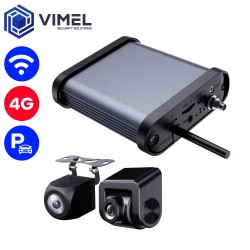
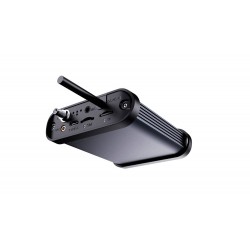
Brand: VIMEL
Model: VIM-DASHC4GS
Hardwired Dual 4G Dash Camera with Rear CameraIf you're interested in improving your car's safety and security, consider purchasing a dash camera. These cameras are becoming increasingly popular because they can provide valuable footage in the event of an accident or incident on the road. Installing..
$299.00
Ex Tax:$271.82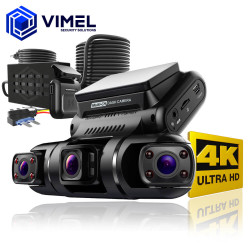
New
Brand: VIMEL
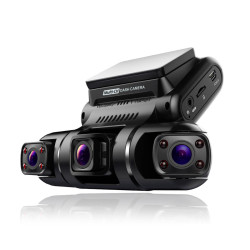
Model: VIM-LUXX9RH
Dash Camera 4K Radar Sensor with Security Parking Mode 24/7 Get ready to embark on an extraordinary journey with our innovative Triple Channel 360 Dash Camera. It is an exceptional piece of engineering that will change how you think about safety and surveillance while driving. Experie..
$239.00
Ex Tax:$217.27
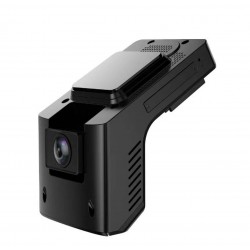
Brand: VIMEL
Model: VIM-DASHC4G
4G Dual Dash Camera with Rear CameraAre you in search of a dependable dash camera for your vehicle? Look no further! Our dash cam is the perfect solution to enhance the safety and security of your car. With simple installation, you can have it up and running in no time, ensuring comprehensive survei..
$299.00
Ex Tax:$271.82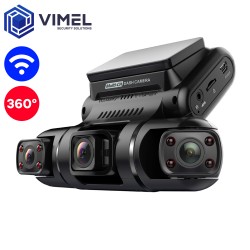
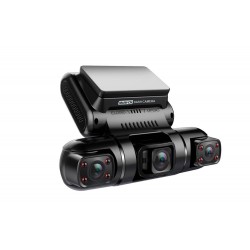
Brand: VIMEL
Model: VIM-LUXX9H
Triple WIFI Dash Camera 360 ULTRA WIDE VIMEL Dash camera Australia comes with a triple channel dash and dual IR night vision. It is probably the best buddy you want to adopt in your car since it comes with the 3 x cameras that will ensure you will get all directions coverage when an accident ha..
$199.00
Ex Tax:$180.91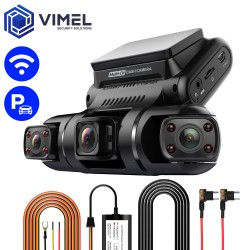
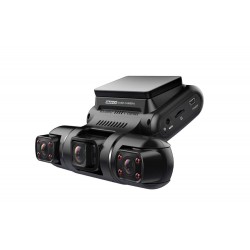
Brand: VIMEL
Model: VIM-LUXX9
24/7 Security Parking Triple WIFI Dash Camera 360 ULTRA WIDE VIM-LUXX9 is a Triple Dash camera device with 24/7 working mode and a hardwired kit that offers such a versatile companion model. This dash camera can record and live view for Full HD 1080 p video recording quality. If you are on road..
$220.00
Ex Tax:$200.00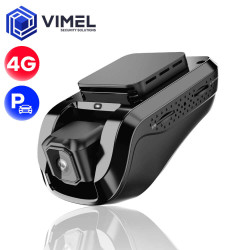
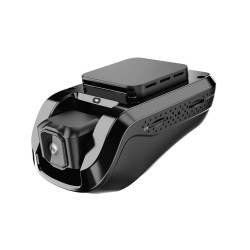
Brand: VIMEL
Model: VIM-DASHC4GL4
Live 4G Dash Camera with Rear CameraEnhance your driving experience with our state-of-the-art dash camera for car, which is a sophisticated solution designed to increase safety and security on the road. Our offering includes the dash cam dash camera, a versatile device that flawlessly integrates int..
$390.00
Ex Tax:$354.55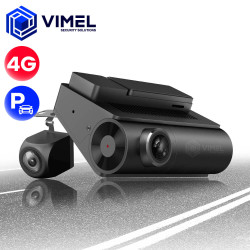
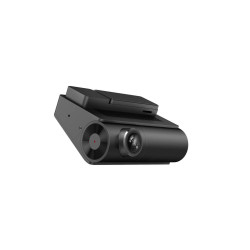
Brand: VIMEL
Model: VIM-DASHC4GS2
4G Vehicle Dual Dash Camera with 24/7 Security Parking GuardUpgrade your vehicle's security and surveillance with the revolutionary VIM-DASHC4GS2, a technologically advanced Dual Dash Camera with a 4G Network Connection. Experience a new level of automotive monitoring and redefine your perception of..
$299.00
Ex Tax:$271.82
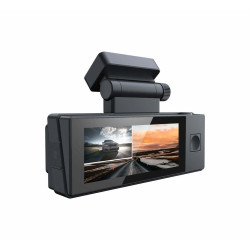
Brand: VIMEL
Model: VIM-LUXX10
24/7 Dual Dash Camera for Vehicle Security Monitoring in ULTRA HD 4K
Introducing the VIM-LUXX10 vehicle dash camera, your perfect companion for the ultimate road trip adventure. Prepare to embark on a journey filled with breathtaking moments, knowing that every second will be captured in stunning d..
$199.00
Ex Tax:$180.91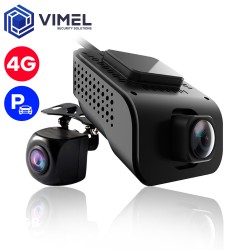
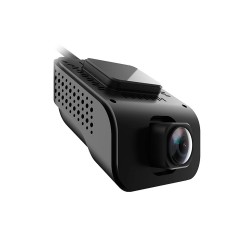
Brand: VIMEL
Model: VIM-DASHC4GL2
4G Dash Camera with Rear View CameraIntroducing a revolutionary product, the 4G Dash Camera for Car, a high-tech device designed for easy installation and top-notch performance. Our car cameras are widely known for their exceptional safety features and reliability, making them one of the best camera..
$299.00
Ex Tax:$271.82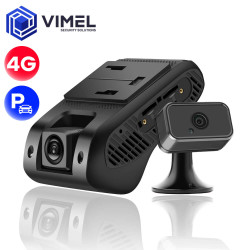
Brand: VIMEL
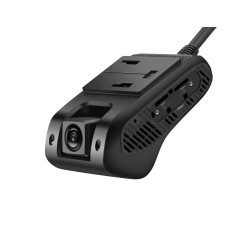
Model: VIM-DASHC4L3
VIMEL 24/7 4G Dual Dash Camera GPS with Security Parking LIVE MonitoringIntroducing the VIM-DASHC4GL3 – the ultimate solution for your car's security needs. This sophisticated and advanced dash camera is designed to protect your car at all times, providing surveillance and complete control over your..
$480.00
Ex Tax:$436.36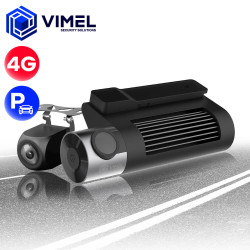
Brand: VIMEL
Model: VIM-DASHC4GS3
4G LIVE VIEW Wireless Security Parking Dual Dash CameraDiscover the Professional Dual Dash Camera with 4G Network Connection – a game-changing innovation revolutionising vehicle security and surveillance. This extraordinary device is packed with impressive features that will leave you amazed.Stay Co..
$299.00
Ex Tax:$271.82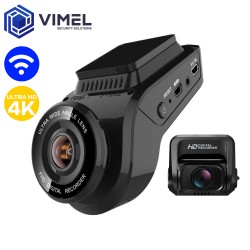
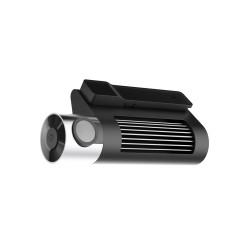
Brand: VIMEL
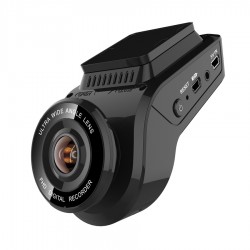
Model: VIM-LUXX8
Vimel Dual Dash Camera with WIFI GPS Connection and 4K ULTRA HD VideoThe VIM-LUXX8 is a deluxe model that holds all the features that you need for your road trips with evidence proof to gather footage and even provide surveillance for your vehicle from intrusion. Dash cameras can help to captur..
$185.00
Ex Tax:$168.18